
Seal 3
TOH · Harmony
Give a feeling time to make itself known.
How a feeling becomes a reaction
A feeling can arrive before you have words for it. You may notice pressure in the belly, then the thought “I’m annoyed,” then the urge to interrupt. These belong to one experience, yet they give you different information. The sensation tells you something has stirred. The words are your first explanation. The urge points toward an action that is still yours to choose.
TOH is the practice of letting that experience be felt. Harmony is possible even while something is unpleasant. Begin with a mild feeling you can stay with comfortably. Give it enough time to notice whether it changes. You may discover that some of the tension came from trying to make the feeling disappear before anyone noticed it.
Give the feeling room
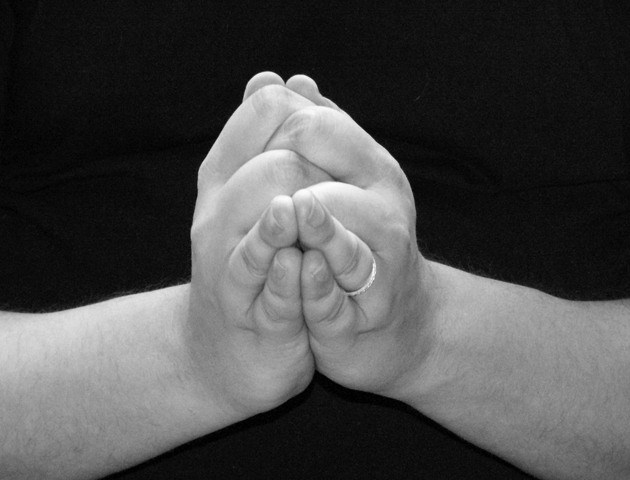
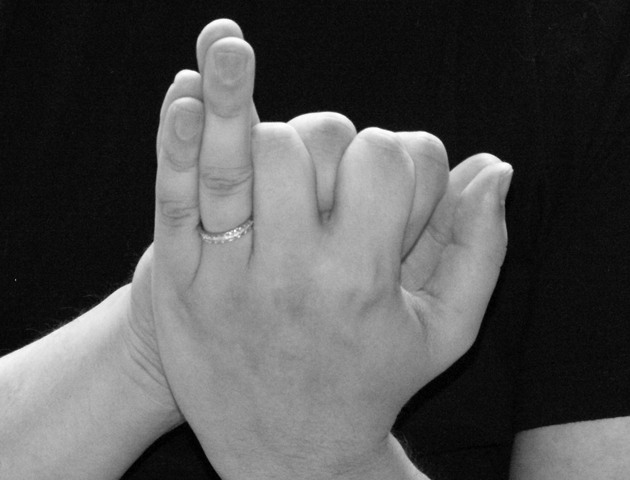
Fold the index and middle fingers of both hands inward and interlace them. Extend the thumbs, ring fingers and little fingers as shown in the photograph. Let your abdomen move easily as you breathe. Give your attention to the inside of the belly.
Ask, “Who am I?” For this sitting, let the question direct you back to your immediate experience. Imagine golden-yellow sunlight shining from inside the abdomen and spreading through the inside of the body. In KYO the light moved outward. Here you let it reach the places within you that you usually pass over. Include the tight spot as well as the places that feel easy.
If all you hear is an explanation of why you feel this way, set that explanation aside for a breath. Where is the sensation now? Does it have a clear edge, or is it spread out? It is fine if it stays exactly as it was. Allowing it to stay gives you a chance to learn what it feels like without having to defend it.
The Sanskrit mantra
Om jita rashi yatra jiva ratna swaha
Recite the line and let the sound occupy your voice while you listen inwardly. The second book brings humility to this seal. You can respect an obstacle without spending all your energy fighting it. Try that with an uncomfortable feeling. Once you stop opposing its presence, see what choices are still open to you.
Take the pause into conversation
Notice one urge to answer quickly. Finish listening. Feel the movement in your belly for a breath, then choose your first sentence. Perhaps you need to say, “I disagree.” Perhaps you need another minute. Later, recall the point at which you became aware of the urge. Recognizing it a little earlier is a practical change you can carry from one conversation to the next.