
Seal 5
KAI · Self
Give yourself the care you give to someone you love.
Why care for yourself?
You know your own experience from the inside. You feel your hunger before anyone else knows you are hungry. You hear the words you use against yourself even when you say nothing aloud. This gives you a particular responsibility. You can notice a need while it is still small and decide how to respond to it. This is where the practice of self-love begins.
People differ in skill, health and circumstance. None of those differences gives us a scale for measuring one human being against another. A beginner can make a mistake that an experienced person would avoid. What follows from that? The beginner needs instruction. The mistake tells you what to teach. It tells you nothing about how much love either person may receive. Apply the same reasoning when the mistake is yours.
Self-love is a willingness to stay on your own side long enough to understand what you need. Self-care is the action you take with that understanding. You might need rest. You might need to acknowledge something you did and make it right. In both cases you can care for yourself while taking the effect of your actions on others seriously.
Bring your attention to the heart
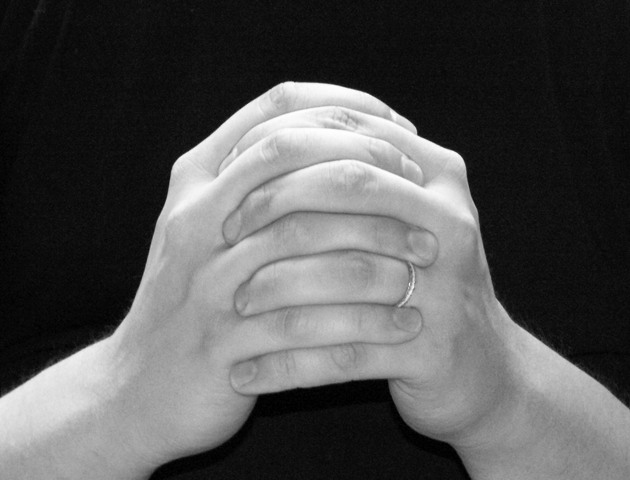
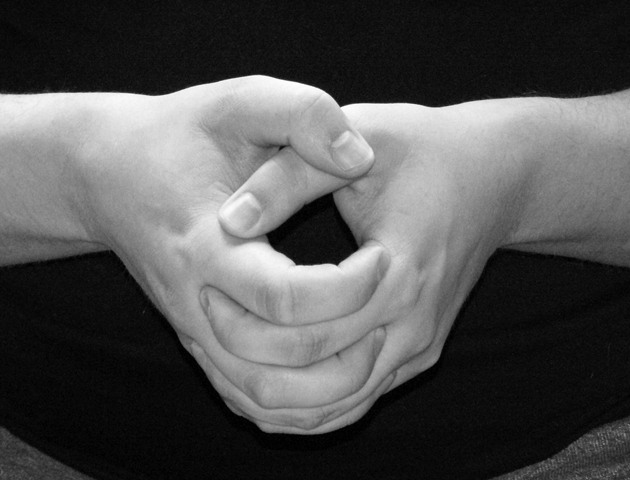
Interlace all your fingers. Let each fingertip rest at the base of the corresponding finger of the opposite hand. Use a light touch. Bring your attention to the centre of the chest. Imagine golden sunlight warming the heart area, then picture a blue sphere around the whole body. Give the warmth a little time, even if all you can feel physically is your breathing.
Say, “I am complete.” You can be a whole person and still need rest, instruction or company. Let the phrase include the part of you that is having difficulty today. Notice what happens if you say “I’m tired” and leave off the usual second sentence about how much you should have accomplished. For one breath, there is a need in front of you that you can actually address.
The Sanskrit mantra
Om namah samanta vajranam ham
In the second book, I call the KAI gesture the outer bonds. It brings attention to how the world reaches you through your own experience. A voice gets louder and your chest tightens. The tightness is something you can feel; the other person’s intention is something you may need to ask about. As you recite, let the blue sphere include both your awareness of the room and the warmth at your heart. Caring for yourself can make you more available to what is happening around you.
Choose the care that fits
Ask three short questions. What do I feel? What might I need? What can I do about it now? If you notice tiredness, closing your eyes briefly may tell you more than another minute spent criticizing your pace. If you notice loneliness, a message asking for company may fit better than going to bed early. After you act, check what changed. Self-care gets more precise as you learn from your own answers.