
Seal 6
JIN · Understanding
Give an idea a second hearing.
What does understanding feel like?
You can remember a sentence word for word and still have trouble using the idea it contains. Understanding becomes easier to recognize when you try to put something into practice. Take the instruction to relax your hands. You might repeat it many times. The moment you discover you can ease your grip and keep the fingers in position, you know something directly. You could show it with your hands before finding the words to explain it.
JIN develops attention to that moment of recognition. In the second book I describe an aspect of understanding that takes place before words. You can explore it with an ordinary thought. Bring to mind the shape of a cup. You recognize what it is and how you could hold it. Wait a breath before naming it. Notice how much of the idea was already there.
Give an idea time to take shape
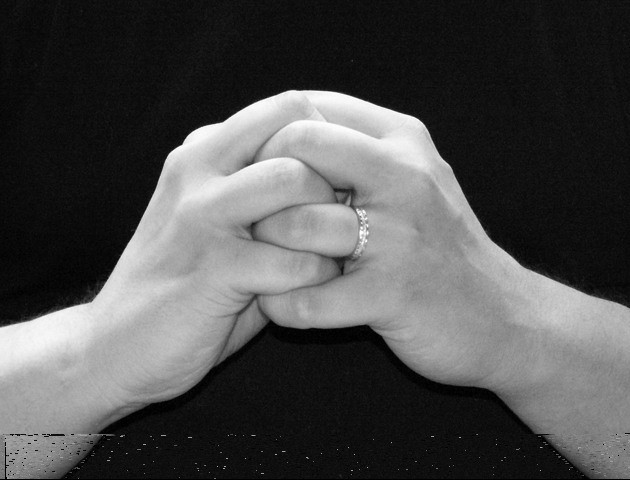
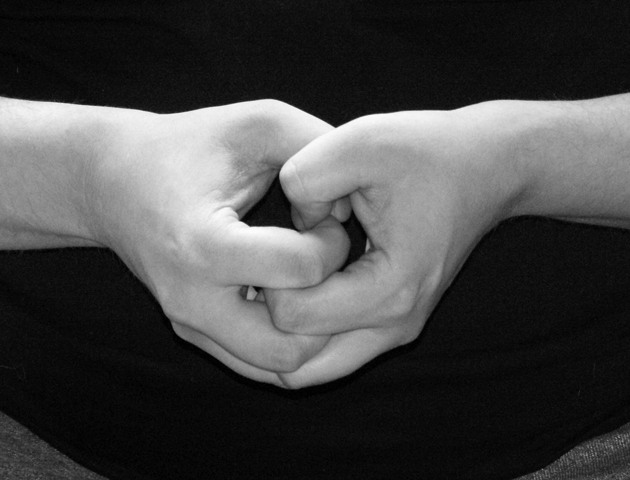
Interlace your fingers and fold the fingertips inward into the space between your palms. Let each fingertip meet its partner from the opposite hand where it reaches comfortably. In KAI the fingertips rested at the bases of the other fingers. In JIN they meet inside the hands. In the second book this gesture is called the inner bonds. It can remind you to listen for how an idea takes shape within you.
Bring your attention to the base of your throat, the slight hollow above the breastbone. Keep the blue sphere from KAI glowing around your whole body. Say, “I understand.” Feel how the words are formed, then allow a pause after them. You can remain interested in an idea even while part of it escapes you.
Try this with something you are learning. Recall one instruction. Let its meaning come to mind, then put it into words of your own. Where do your words become vague? Go back to that part. A gap you can identify is easier to explore than a whole subject you have dismissed as too difficult.
The Sanskrit mantra
Om agnaya yanmaya swaha
Recite the Sanskrit line without composing your explanation at the same time. Let the sound finish. Notice what remains of the idea when you are quiet. When you return to a conversation, offer what you understood in one sentence and give the other person a chance to correct it. Their answer is how you check your impression.
Try the idea in a new place
Choose an idea from this book and put it to use outside the sitting. For example, you learned in KYO to identify the part of an outcome you could influence. Try applying that to a change in your day’s schedule. If you can recognize the same principle in a different situation, you have learned more than the wording of the exercise.